Cá Thể Hóa Điều Trị – “Đo Ni Đóng Giày” Trong Đông Y

Bà con thân mến, làm nghề Đông y, Lão nghiệm ra một điều: chữa bệnh không phải chỉ là kê đơn, bốc thuốc. Đó là công việc soi chiếu vào tận bên trong con người – xem họ đang sống thế nào, ăn ngủ ra sao, tinh thần thế nào, sức khỏe suy từ đâu – thì mới tìm được gốc bệnh. Và để làm điều đó, người thầy thuốc không thể cẩu thả, không thể chạy theo lối “ai cũng như ai”.
Chữa chung một toa cho tất cả thì dễ lắm, nhưng chữa đúng người – đúng gốc – mới là thử thách thực sự. Cũng như nghề thợ may: may áo đại trà thì đơn giản, nhưng muốn một chiếc áo vừa vặn, tôn dáng, thoải mái thì phải đo từng số đo, chỉnh từng đường kim mũi chỉ. Nghề thuốc cũng vậy – đó là cái sự “đo ni đóng giày” trong điều trị bệnh bằng YHCT.
Nghề Này Không Dành Cho Người Mỏi Mệt
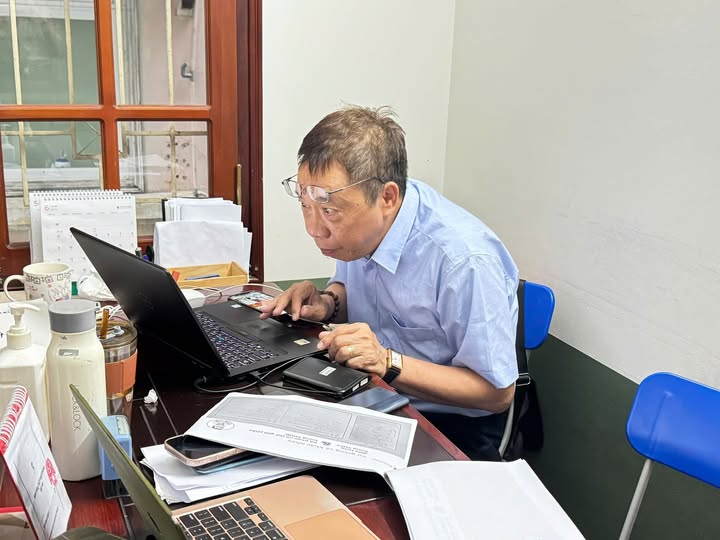
Lão nói thật: làm Đông y mà cẩu thả, vội vàng, chỉ chạy theo số lượng – là phản nghề. Người thầy thuốc muốn trị tận gốc thì phải:
- Quan sát kỹ: sắc mặt, ánh mắt, môi, dáng đi, giọng nói.
- Nghe tỉ mỉ: tiếng ho, hơi thở, từng mô tả của bệnh nhân.
- Hỏi sâu: ăn uống thế nào, ngủ nghỉ ra sao, tâm trạng, gia đình, công việc…
- Sờ cẩn thận: bắt mạch đủ ba bộ, xem khí huyết thịnh hay suy.
Chỉ cần lệch một chút trong chẩn đoán – là sai cả trong điều trị. Nghề này đòi hỏi người thầy thuốc phải chăm chỉ như nông dân, tỉ mỉ như thợ thủ công, nhẫn nại như người tu hành và thương người như chính ruột thịt mình. Thiếu một trong những điều ấy – khó mà chữa bệnh sâu, bệnh thật.
Người Bệnh Cũng Phải “May Lại” Chính Mình
Không chỉ thầy thuốc là người “may áo”. Người bệnh cũng phải tự “may lại” cách sống, cách nghĩ, cách giữ gìn thân thể của mình. Có nhiều người đến khám, thấy toa thuốc 2–3 tháng liền thở dài: “Lâu quá bác ơi, con chỉ mong uống cái gì nhanh khỏi thôi.”
Lão chỉ bảo: “Cây đổ vì rễ mục – muốn hồi sinh thì phải thay đất, chăm nước, bón phân. Không thể hôm nay gieo, mai gặt được.” Thuốc có hay, thầy có giỏi, nhưng nếu người bệnh không thay đổi lối sống, không kiên nhẫn theo liệu trình, thì kết quả cũng bằng không.
“Đo Ni Đóng Giày” – Trách Nhiệm Của Thầy Thuốc, Lựa Chọn Của Người Bệnh
Lão thấy tự hào không phải vì mình biết nhiều bài thuốc, mà vì mỗi đơn thuốc kê ra đều là kết quả của cả một quá trình lắng nghe, quan sát, thấu hiểu. Cá thể hóa là cách YHCT tôn trọng cơ thể từng con người, coi mỗi bệnh nhân không phải một “ca bệnh” vô tri – mà là một cuộc đời cần được chăm sóc.
Bà con nhớ nhé: bệnh nhân là người – không phải đơn hàng. “Đo ni đóng giày” là trách nhiệm của thầy thuốc. Còn “mặc áo vừa vặn” – tức là hợp tác điều trị, thay đổi lối sống – lại là lựa chọn của chính người bệnh.
Cá Thể Hóa Điều Trị – Căn Gốc Ngàn Đời Của YHCT
Ngày nay, thiên hạ hay nói đến cụm từ “cá thể hóa điều trị” như một xu hướng mới. Nhưng với Lão, đó đã là gốc rễ từ ngàn năm trước. Tổ tiên ta đã dạy: “Cùng bệnh khác trị, khác bệnh cùng trị.” Nghĩa là cùng một chứng danh, nhưng thể tạng khác nhau thì cách trị khác nhau. Ngược lại, hai người có bệnh khác nhau, nhưng cùng một gốc rối loạn, thì có thể dùng cùng một phép trị.
Lão còn nhớ một bệnh nhân mất ngủ kéo dài, đã đi ba nơi đều được cho thuốc an thần bổ tâm – nhưng không khỏi. Khi đến Lão khám, mới phát hiện do tỳ hư sinh đàm, đàm uất hóa hỏa, khiến tâm bức rứt không yên. Vậy nên phải kiện tỳ, hóa đàm, tả hỏa thì mới ngủ lại được. Đó chính là cá thể hóa: không nhìn theo bệnh danh, mà soi đến cơ địa, căn gốc từng người.
Kết Lại
Làm Đông y đúng nghĩa – không phải ngồi phát đơn theo khuôn mẫu, mà là “đo từng li, chỉnh từng lạng”. Nghề này không dành cho ai hời hợt, mà dành cho người có tâm, có nhẫn nại, có tình thương. Bởi mỗi bệnh nhân không chỉ cần thuốc, mà cần sự thấu hiểu để tìm lại cân bằng từ gốc.
YHCT không nhanh, không ồn ào, nhưng bền chắc – vì nó hiểu người, hiểu bệnh, hiểu đời. Lão mong bà con và cả những ai đang theo nghề sẽ cùng gìn giữ tinh thần đó: làm thuốc như may áo – phải vừa, phải hợp, phải thật sự mang lại ấm áp cho người mặc.
Lão Tuấn – Trung tâm Thuốc dân tộc
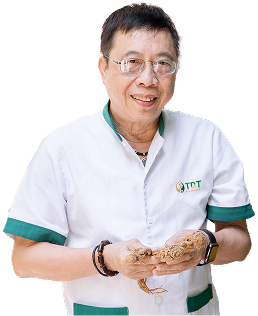
| Lão là Bác sĩ CKII Lê Hữu Tuấn, hậu duệ đời thứ 18 của dòng họ Lê Hữu – bao đời làm thuốc cứu dân. Hơn 40 năm qua, lão dành trọn tâm lực theo đuổi con đường Y học cổ truyền, giữ vững tâm niệm: “Chữa bệnh là cứu người, giữ nghề là giữ đạo”. Trên mỗi chặng đường, lão vẫn giữ nguyên tinh thần “lấy y đức làm gốc, dồn tâm huyết nuôi dưỡng sức khỏe cho bà con”. Từ phòng khám cho đến các buổi chia sẻ cộng đồng, Lão đều mong lan tỏa tinh hoa Y học cổ truyền, để bà con tự tin chăm sóc bản thân và gia đình, để con cháu mai sau còn tự hào về kho tàng thuốc Nam của dân tộc ta. Mời bà con ghé thăm trang blog tâm huyết của Lão: https://bacsilehuutuan.com/ |
Lão gửi gắm đôi điều:
Đông y trị bệnh là khai thông khí huyết, điều hòa âm dương, dưỡng tạng phủ cho vững – có gốc mạnh thì ngọn mới bền!

Trở thành người đầu tiên bình luận cho bài viết này!